This is a chapter of wider Schild surname history, not a confirmed branch of our direct family line. See the research question later in this story.
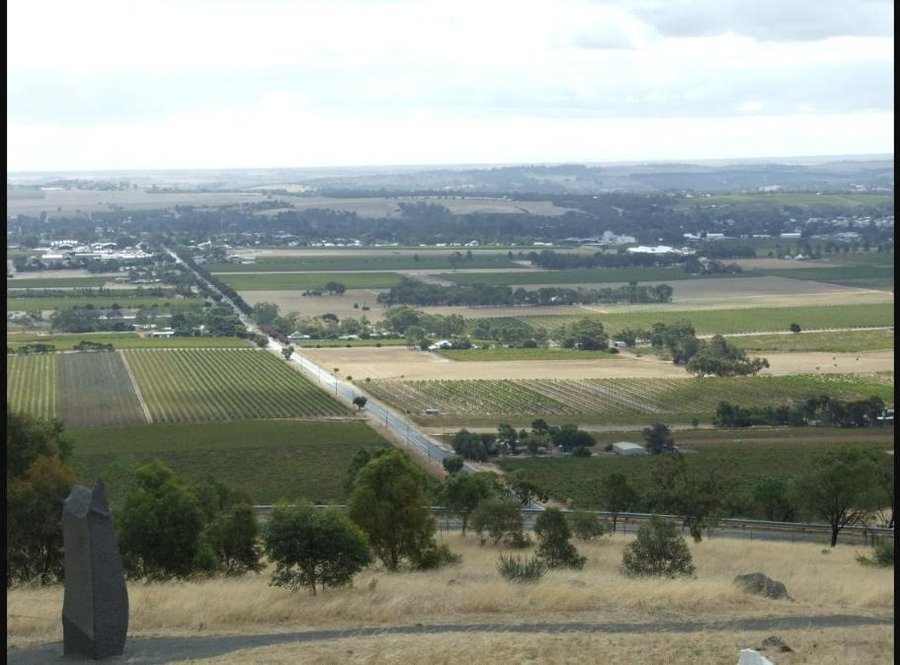
The Barossa Valley, South Australia, seen from above.
Photograph by Tam, 2009, CC BY SA 2.0, via Wikimedia Commons.
In 1952, Ben and Alma Schild settled a property along Narrow Road in South Australia’s Barossa Valley. One vineyard became eleven. More than seventy years later, Schild hands still tend vines across the Southern Barossa, including some planted more than a century before the family arrived.
The Barossa
The Barossa Valley, north of Adelaide in South Australia, is one of the country’s best known wine regions. German and English settlers began arriving in the area from the late 1830s, and the valley’s warm, dry summers and old vineyard soils made it well suited to grapes almost from the start. Over the following century, small family holdings grew into an industry, and the Barossa became known both for its wine and for the families who have worked the same land across generations.
The Schild family is one of those families. They are not the oldest name in the valley, and this story does not claim that they are. What makes their story worth telling is a simpler thing: one family, one small purchase in 1952, and what grew from it over the following seventy years.
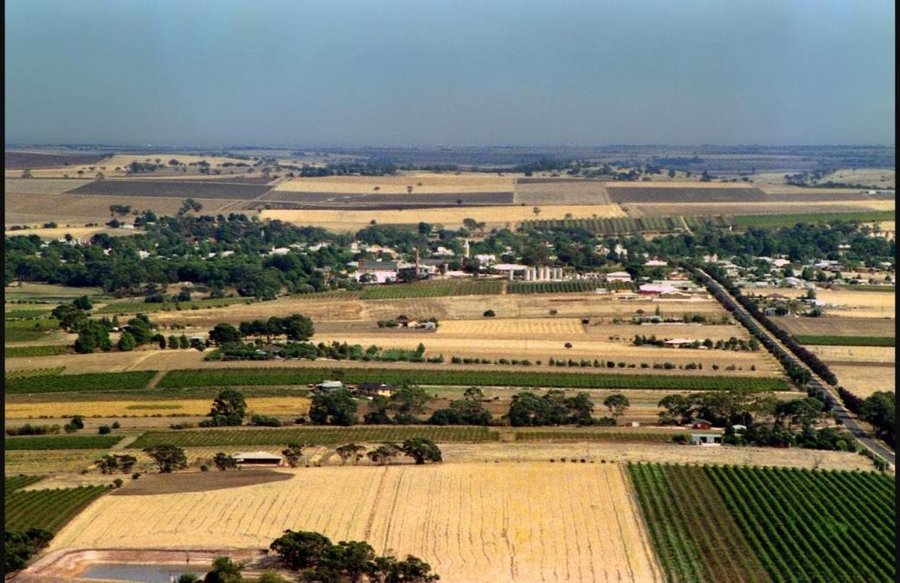
Vineyards and farmland across the Barossa Valley, photographed in 1987.
Photograph by Phillip Capper, 1987, CC BY 2.0, via Wikimedia Commons.
1952
Ben and Alma Schild purchased and settled a property along what was historically known as Narrow Road, near the township of Rowland Flat, in 1952. This is the earliest documented moment in the family’s Barossa story, the point where a name that already existed in many places around the world put down roots in this particular valley.
Four years later, in 1956, Ben died unexpectedly. His son Ed, the youngest of eight children and the only son still living at home, took over the property at sixteen years old. What Ed inherited was one vineyard and a great deal of work ahead of him.
One Vineyard
It is worth pausing on how small this beginning was. The Schild story in Australia does not begin with a company or a brand. It begins with a family buying a single piece of land and working it themselves. Whatever the vineyard holdings would later become, they started as one property, one family, and the ordinary work of growing grapes season after season.
From One Vineyard to Eleven
Over the following seven decades, that single property grew into a family owned collection of vineyards spread across the Southern Barossa.
Figures describe the family’s vineyard holdings as a whole, drawn from the family’s own published account.
See the Schild Estate Story
The family shares its own account of the vineyards and the people behind them in the short video below, published on the Schild Estate YouTube channel.
This is the family’s own telling of its story, not independently verified by this archive.
The Vineyards
The family’s eleven vineyard sites are spread across the Southern Barossa, each with its own character and its own small piece of the family story. Six of the most notable are introduced below.
Narrow Road
The site adjacent to the original property settled by Ben and Alma Schild in 1952.
Visit place page →Three Springs
Home to the original Schild family homestead, high on the hills at Rowland Flat.
Visit place page →Workshop
Once the Chenin Blanc vineyard, renamed after Michael Schild built a workshop nearby in 1999.
Visit place page →Kleemann
Planted in 1916, its bush vines still hand picked more than a century later.
Visit place page →Moorooroo
Home to four surviving rows of Shiraz planted in 1847, among the oldest producing vines in the world.
Visit place page →Narrow Road
Narrow Road sits high on the hills behind the township of Rowland Flat, adjacent to the original Schild property purchased and settled by Ben and Alma Schild in 1952. Of all eleven sites, this is the one most directly tied to the beginning of the family’s story. The grapes grown here today come from land the family has now worked for more than seventy years.
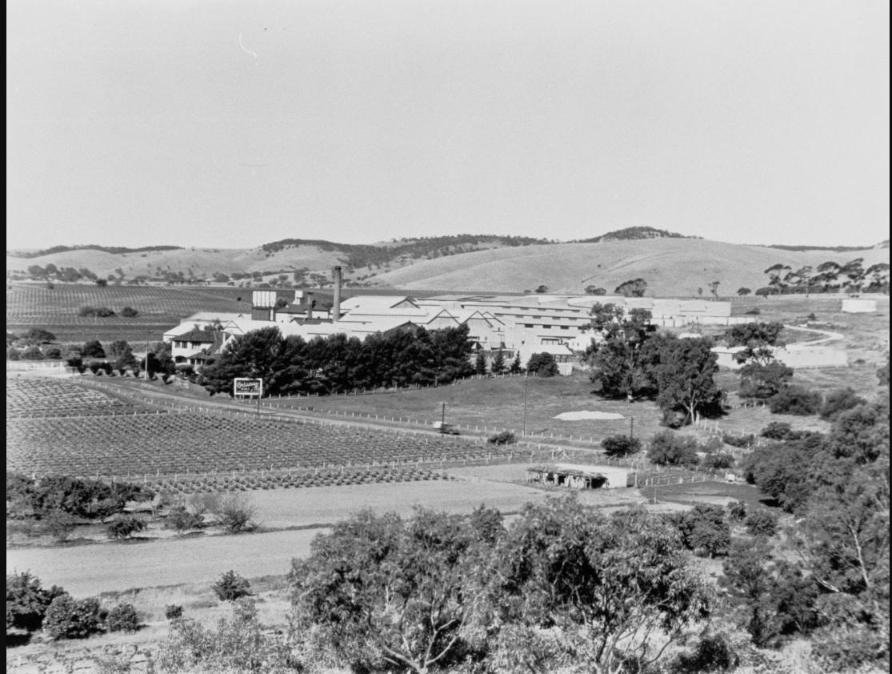
A historical view of Rowland Flat, near where the Schild family settled in 1952. This is a general township photograph, not a picture of the Schild property itself.
State Government Photographer, The History Trust of South Australia. CC0 1.0 Public Domain, via Wikimedia Commons.
Three Springs
The original Schild family homestead is located at Three Springs, on historic Narrow Road at Rowland Flat, about 380 metres above sea level. Its higher, cooler position has always meant lower yields than vineyards down on the valley floor, but it remains the site most closely tied to family and home rather than simply to production. Land, family home, and vineyard sit together here in a way that makes this site more than just another block of vines.
Angus Brae
Angus Brae, about four kilometres north of the Lyndoch township, was purchased by the family in December 2001. Its name combines two things: Angus, a grandson of Ed Schild, and brae, a Scottish word for a steep hillside. It is a small detail, but it captures something about this family’s relationship to their land. The names of the people are written directly into the names of the places.
Workshop Vineyard
This site was purchased by the family in 1993 and was originally known as the Chenin Blanc vineyard, named for the grape variety grown there at the time. In 1999, Michael Schild built a new workshop just down the road. Afterward, people simply started calling the vineyard Workshop, and the name stuck. It is a small, human detail, the kind that turns a business record into a family story.
Schild Estate Wines
Alongside the vineyards, the family also built a wine label, Schild Estate, that began as a relatively small project and grew into a wine with an international reputation and distribution. For years, growing grapes and making wine under the family’s own label went hand in hand.
In 2022 the family announced plans to sell the winery itself. The winery building was later purchased by Atlas Wines, while the Schild Estate wine brand and inventory moved to CW Wines. The family kept its vineyards and continues to grow the fruit used in Schild Estate wines today, supplying the label under its new ownership rather than making the wine themselves. Around the same time, Ed Schild stepped back from leading the business, and his son Michael took on that role, with his attention centered on the vineyards rather than the winery.
The distinction matters. The vineyard story and the wine label story are related, but they are not the same story, and this account tries not to blur the two.
Vines Older Than the Family Story
One of the most historically significant vineyards associated with the Schild family is Moorooroo, sitting between Jacob’s Creek and the North Para River. Its name comes from an Indigenous word meaning “meeting of two waters.”
Moorooroo contains the last four remaining rows of Shiraz planted in 1847, eleven years after the founding of South Australia. These vines are among some of the oldest surviving, producing vines in the world.
The Schild family did not plant these vines. Their role came more than a century later. Today they help preserve what remains.
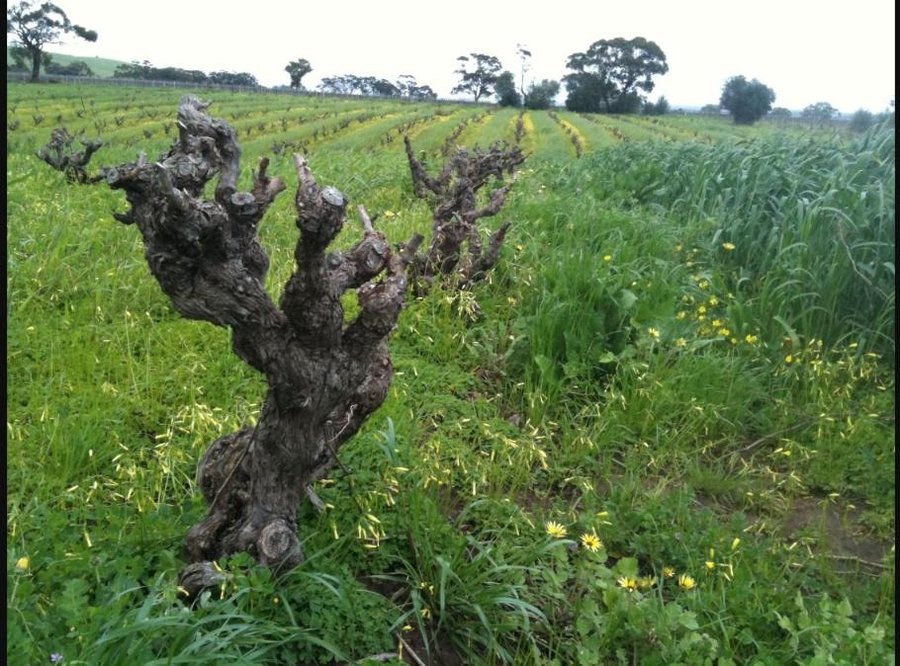
A gnarled old vine trunk, photographed at another Barossa Valley vineyard. This is not one of the Moorooroo vines, and is used only to illustrate the character of a working century old vine.
Photograph by Stephan Ridgway, 2010, CC BY 2.0, via Wikimedia Commons.
Ann Jacobs
Historical research cited by the vineyard’s current owners credits Ann Jacobs, later Ann Horrocks, with establishing the farm at Moorooroo. She arrived in South Australia in 1839, at about twenty one years old. An original land grant records her purchase of five hundred acres for five hundred pounds, and her diary, held today by the State Library of South Australia, describes establishing vines along with oats, barley, and fruit trees, and building a large dairy whose structure can still be seen today.
After her marriage, ownership of the property was required to pass to her brother, William Jacob, who has often been credited historically with her pioneering work instead of her. This account tries to place the credit where the evidence points: with Ann.
Custodians Rather Than Founders
The Schild family did not plant the Moorooroo vines. Their role came more than a century later. Today they help preserve what remains, tending four rows that connect the valley’s present to a beginning that has nothing to do with the Schild name at all. It is a story about stewardship across generations, not a claim on someone else’s history.
Ben, Alma, Ed, Michael, and Angus Schild are presented here as part of Barossa Valley wine history, not as confirmed ancestors of the family documented elsewhere on this site.
Family Across Generations
Three documented generations connect the 1952 purchase to the vineyards as they are farmed today.
The Land Today
Seventy years on, the through line from 1952 to today is still the land itself. Rows of vines climb the same Barossa hills. Harvest still arrives every year. The work is more mechanized than it was for Ben and Alma, but its rhythm, planting, tending, picking, is the same one the family has followed since the beginning.
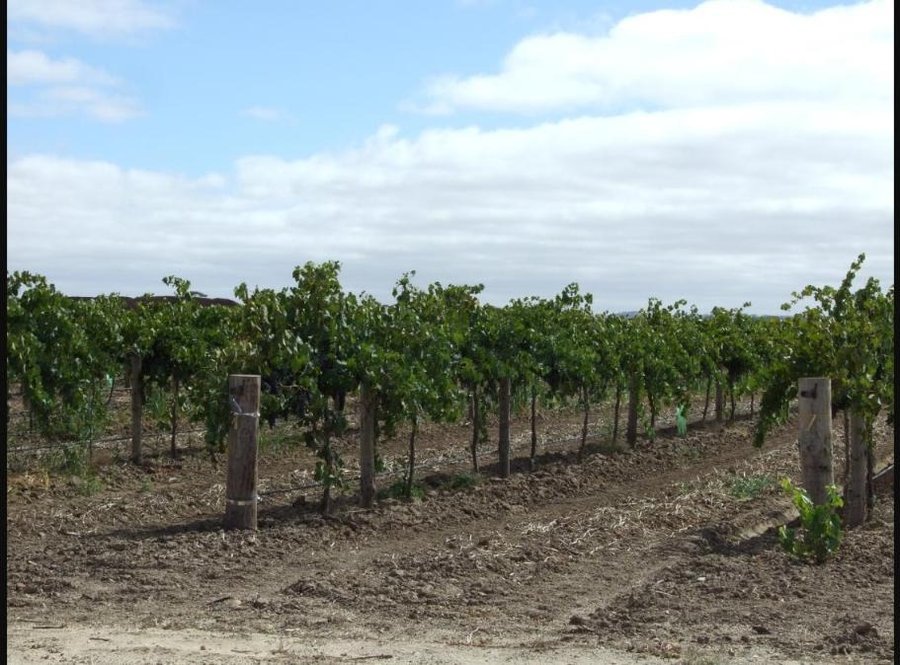
Trellised vine rows in the Barossa Valley today.
Photograph by Tam, 2009, CC BY SA 2.0, via Wikimedia Commons.
Why This Story Belongs Here
The Schild name appears in very different places around the world. In Texas it appears among early settlers. In Switzerland it appears in watchmaking. In Australia it appears among generations of vineyard growers. These are three separate, wider Schild surname stories, told honestly as what they are: surname history, not established genealogy. None of them is presented here as proven to connect to the family line documented across the rest of this archive, unless and until that connection can be shown.
A Research Question
Are the Barossa Schild family and our Schild family directly related?
The history of the Schild family in the Barossa Valley is well documented beginning with Ben and Alma Schild in 1952.
A direct genealogical connection between this Australian branch and the Schild family represented elsewhere on this site has not yet been established.
If you have information that connects, or rules out, a link between these two branches of the Schild name, the archive would welcome it. Get in touch.
Closing
A vineyard is a slow kind of inheritance. It does not change hands all at once. It passes on in the shape of rows already planted, in soil already known, in work already begun by someone else. Ben and Alma Schild began that work in 1952 with one vineyard on Narrow Road. Three generations later, their family tends eleven, including four rows planted long before any Schild set foot in the valley. Between those two facts sits a family story about land, patience, and the quiet decision, made again in every generation, to keep going.
People in This Story
Places in This Story
Documents
Landscape Photograph
Aerial View of the Barossa Valley
Historical Photograph
Vineyards in the Barossa Valley, 1987
Historical Photograph
Delivering Grapes to a Barossa Winery, Circa 1945
Historical Photograph
Grape Vintage in the Barossa Valley, Circa 1955
Historical Photograph
Grape Picking in the Barossa Valley
Historical Photograph
Rowland Flat, Historical View
Landscape Photograph
Vineyard Rows in the Barossa Valley
Landscape Photograph
An Old Grenache Vine, Barossa Valley (Contextual Photograph)
Land Record & Diary
Land Grant and Diary of Ann Jacobs (Later Ann Horrocks)
Family Photograph